What is Student Loan Consolidation?
Managing multiple student loan payments can be stressful. Loan consolidation is a popular strategy that allows borrowers to combine multiple loans into a single payment — simplifying repayment and, in some cases, reducing monthly costs.
However, consolidation isn't the same as refinancing, and the right approach depends on whether your loans are federal or private. This guide covers both paths so you can make an informed decision.
Consolidation vs. Refinancing: Understanding the Difference
Before diving in, it helps to understand how consolidation and refinancing compare:
| Consolidation (Federal) | Refinance (Private) | |
|---|---|---|
| Purpose | Combine multiple federal loans into one | Replace one or more existing loans with a new loan and a new interest rate |
| Eligible Loans | Federal student loans only | Private student loans, and in some cases, federal loans through a private lender |
| Interest Rate | Weighted average of existing federal loans | Set by lender, can be fixed or variable |
| Repayment Plans | Federal repayment plans | Determined by lender |
| Credit Check Required | No | Yes |
Federal Loan Consolidation Options
It's important to understand right away that borrowers with federal loans cannot refinance through the U.S. Department of Education (ED). The ED does not refinance its own loans because interest rates are set by Congress and apply only to newly issued loans. If a federal loan is refinanced through a private lender, it becomes a private loan and loses associated federal protections.
Instead, borrowers who want to stay within the federal system have two primary options:
Direct Consolidation
The ED allows borrowers to combine multiple federal student loans into a single loan with a new interest rate — the weighted average of all existing loan rates, rounded to the nearest one-eighth of a percent. Benefits of Direct Consolidation Loans include:
- Simplifies multiple monthly payments into a single payment
- May result in a lower monthly payment through an extended repayment term
- Maintains access to federal repayment plans and forgiveness programs
Keep in mind: consolidation is not the same as refinancing. The total interest paid over the life of the loan may increase due to an extended repayment term, and the new rate may not necessarily be lower than your current rates.
For more information and full eligibility requirements, visit the Consolidating Student Loans page on StudentAid.gov.
Income-Driven Repayment (IDR) Plans
Borrowers with federal student loans may also be eligible for Income-Driven Repayment plans, which base monthly payments on income and family size rather than loan balance. Available IDR plans include:
- Income-Based Repayment (IBR) Plan: Payments are generally 10–15% of discretionary income, with possible forgiveness after 20–25 years of qualifying payments.
- Income-Contingent Repayment (ICR) Plan: Payments are based on income, family size, and loan amount, with possible forgiveness after 25 years.
- Pay As You Earn (PAYE) Plan: Payments are generally 10% of discretionary income, with possible forgiveness after 20 years. Note: Not available to new borrowers as of July 1, 2024.
- Saving on a Valuable Education (SAVE) Plan: The newest IDR plan, designed to lower payments by protecting a portion of income and reducing interest accumulation, with forgiveness possible after 20–25 years depending on loan type.
- Repayment Assistance Plan (RAP): A forthcoming plan for eligible borrowers; details on payments and forgiveness are still to be determined.
IDR plans require annual recertification of income and family size. For full eligibility requirements, visit the Income-Driven Repayment Plans page on StudentAid.gov.
Private Loan Consolidation Options
For borrowers with private loans, consolidation is handled by private lenders such as banks, credit unions, or refinance companies. Private student loans do not have the same repayment plans available for federal loans — each lender has its own loan terms, interest rates, and relief policies.
When reviewing a private consolidation application, lenders typically evaluate:
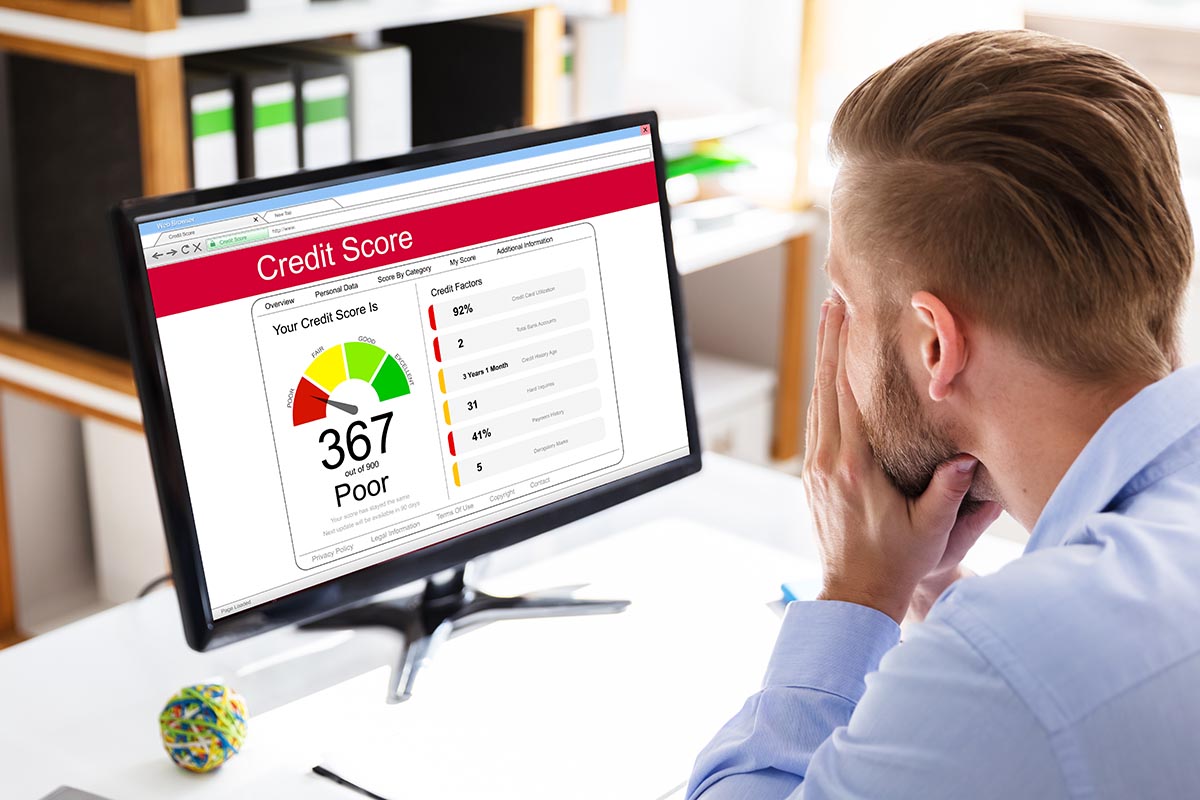
- Credit Score: A score of 670–739 is generally considered good and can qualify borrowers for better rates.
- Income and Career Stability: Steady monthly income demonstrates the ability to repay consistently.
- Debt-to-Income Ratio (DTI): A lower DTI signals a stronger ability to meet repayment obligations.
If you need additional support to qualify, some lenders may allow a cosigner — typically a family member or close friend who shares the legal obligation to repay the loan. Cosigners can often be released after a series of successful on-time payments.
Which Option Is Right for You?
The best path depends on your goals:
- If you want to keep federal protections and simplify your payments: Consider Direct Consolidation through the ED.
- If you need lower monthly payments based on your income: Explore Income-Driven Repayment plans.
- If you have private loans, or want to combine federal and private loans into one payment: Refinancing through a private lender may be the better fit.
- If your primary goal is securing a lower or fixed interest rate: Refinancing with a private lender typically offers more flexibility on rate negotiation.
Understanding your long-term goals — whether that's simplifying payments, lowering your monthly obligation, repayment options or reducing total interest paid — will help you determine which path is right for you.
What to Do Before Consolidating
Regardless of which route you choose, taking these steps first can put you in a stronger position:
- Compare Lenders and Programs: Build a simple tracker listing each lender's interest rate, rate type (fixed or variable), repayment terms, and any special programs. This makes it easy to narrow your options.
- Review Your Credit Report: Correct any errors or outdated information. Even small corrections can improve your standing.
- Check for Prequalification: Explore prequalification checks with lenders using soft credit inquiries before formally applying.
- Understand What You're Giving Up: If consolidating federal loans with a private lender, you will lose access to federal repayment plans, deferment options, and forgiveness programs.
How Yrefy Can Help
Navigating the world of student loan consolidation doesn't have to be overwhelming. Whether you have private loans in default, a complicated financial history, or simply need a clear path forward, Yrefy is here to help.
Yrefy works with borrowers and co-borrowers who have delinquent or defaulted private student loans. For eligible borrowers, we offer fixed-rate refinancing, custom repayment plans, and in some cases, co-borrower release.
Want to learn more? Apply online at Yrefy.com or call us at (888) 358-3359.